

How to Prepare for Payments Industry Acquisitions
With the recent news that Global Payments will be acquiring Worldpay from FIS and divesting its issuer solutions back to […]
Read more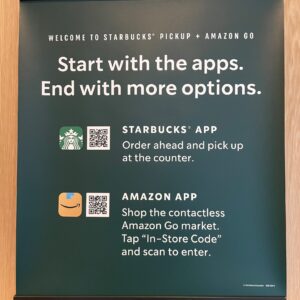
Starbucks And Amazon Go Pair Up To Expand Cashierless Experience
Impact 21 Tests The Just Walk Out Technology Firsthand Starbucks and Amazon have launched a new store concept that combines physical and […]

Not All Fleets Are Created Equal
Whether an organization maintains an existing fleet offering or they’re evaluating fleet as a new opportunity, one of the most common barriers that retailers face when attempting to gain incremental market share is that their offering assumes a universal need across the fleet portfolio. In reality, the needs that over-the-road (OTR) fleet users require in a program will vary starkly from the use cases that light commercial vehicles will demand.

Buy Now, Pay Later is here to stay. But should your business be ready?
Many consumers and merchants have embraced Buy Now, Pay Later (BNPL) solutions. For merchants, the opportunity to boost their basket sizes, increase total transaction volume, and access a broader demographic base has been a boon. Consumers view it as a way of purchasing big ticket items while avoiding the burden of high-interest credit card debt. This broad appeal has buoyed BNPL to nearly $10 billion in transaction volume.

Demystifying Token Conversion
There’s an inherent stickiness to any token provider, but as companies evaluate their payment architecture and look at pricing, performance, service level agreements (SLAs), and other factors, chances are that swapping out a provider or adding a new service will require a token conversion.
Why should merchants consider implementing a Buy Now, Pay Later (BNPL) solution?
BNPL can be viewed as an extension of the consumer credit card programs that emerged in the late 1980s, but with a unique upside for merchants. In contrast to credit cards, BNPL companies help expand the available consumer base, but they adopt the risk themselves by funding the purchase to the merchant immediately and allowing the consumer to pay them back over time.
For Petroleum Marketers frustrated with their Mobile Payment Processing Application, where should they turn?
An important first step in solving any problem is to accurately identify the root cause of the problem and any potential solutions. For petroleum marketers with a mobile payment solution in place, looking at the entire ecosystem, evaluating where improvements could be gained, and looking at what solutions reside in the market are the definitive first steps.

How does your organization leverage transaction data?
Data-driven decision making has become pivotal in the corporate world. As consumers leverage a wide array of options to complete transactions, maintaining an awareness of those consumers, their spending habits, and their experience across business systems is critical to remaining competitive in the marketplace. Data is critical to those activities, and for merchants, leveraging transaction data is particularly crucial.
Outdoor EMV helped defray fraud, but what about improving security and protecting cardholder data for petroleum marketers?
For petroleum marketers, now on the other side of Outdoor EMV implementation, payments at the pump seem more secure and less prone to fraud. This view is only somewhat true, however: Committing fraud by way of stolen card is now more difficult, but sensitive payment data is both more vulnerable and more under attack than ever before. Outdoor EMV compliance has brought new devices like outdoor payment terminals on automated fuel dispensers onto IP-based networks, creating new opportunities for attackers to exploit systems that have yet to be hardened against black hat activity.
Want to stay in touch? Subscribe to the Newsletter